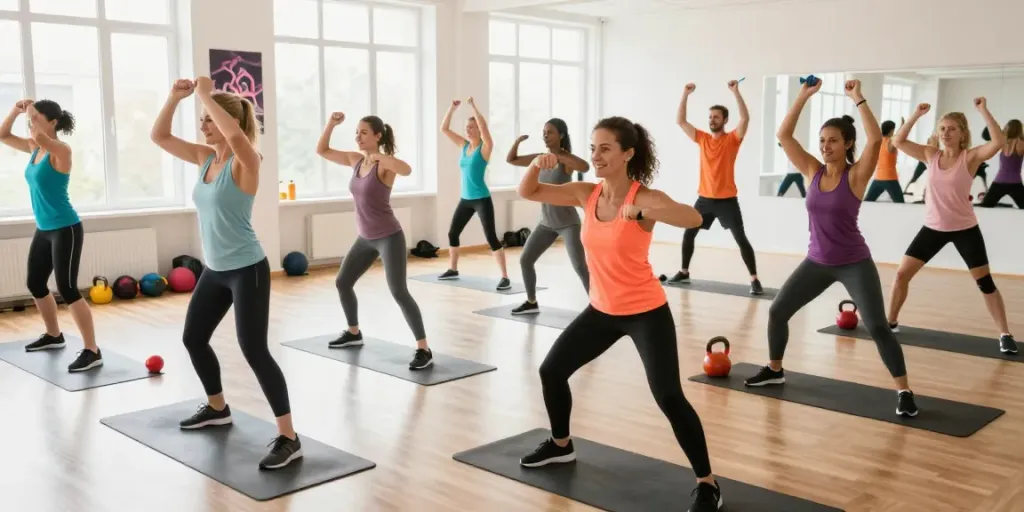
Understanding Active Engagement in Fitness
In today's fast-paced world, the concept of being "active" transcends beyond mere physical activity. It encompasses a holistic approach to engaging with life, promoting both physical and mental well-being. An "active" lifestyle is not just about hitting the gym; rather, it's about integrating movement into our daily routines in enjoyable and sustainable ways. To explore the myriad ways we can cultivate an active lifestyle, it's essential to understand its meaning and significance. When exploring options, active engagement in fitness can serve as a guiding principle for maximum impact.
What Does It Mean to Be Active?
Being active means participating in physical activities that enhance overall well-being. It is not confined to structured exercise but includes any movement that expends energy. Activities such as walking, dancing, gardening, or even playing with children contribute to an active lifestyle. According to the World Health Organization, adults should engage in at least 150 minutes of moderate-intensity or 75 minutes of high-intensity aerobic activity each week. This broad definition allows individuals to find activities that they enjoy, making it easier to incorporate movement into their lives.
The Importance of Active Living
Active living plays a crucial role in preventing chronic diseases, improving mental health, and enhancing quality of life. Engaging in regular physical activity promotes cardiovascular health, strengthens muscles and bones, and aids in weight management. Furthermore, being active has profound effects on mental well-being, reducing symptoms of anxiety and depression while boosting overall mood. In the age of technology, where sedentary lifestyles are becoming the norm, fostering active habits is essential to combat health-related issues.
Common Misconceptions About Fitness Activity
Despite the clear benefits of being active, several misconceptions persist, preventing individuals from embracing a more active lifestyle. One common myth is that you need to dedicate hours at the gym to achieve fitness goals. In reality, even short bouts of activity throughout the day can be beneficial. Another misconception is that fitness activities must be intense to be effective. Gentle exercises such as walking or stretching can also greatly contribute to one’s health. Addressing these misconceptions is vital for encouraging more people to adopt an active lifestyle.
Strategies to Encourage an Active Lifestyle
Creating an Engaging Workout Environment
One of the best ways to promote an active lifestyle is to create an environment that encourages movement. This can include designing your home or workspace to minimize sedentary behavior. Consider incorporating standing desks, ergonomic furniture, and accessible play areas for children and pets. Visual reminders, such as motivational posters or fitness trackers, can also inspire people to stay active throughout the day.
Incorporating Fun Activities into Fitness Routines
Engagement is key to maintaining an active lifestyle. Integrating fun activities into your fitness routine, such as dance classes, hiking, or team sports, can make exercise feel less like a chore and more like an enjoyable part of life. Exploring new activities can also lead to discovering hidden talents or passions, which can further enhance motivation. Group activities foster a sense of community and accountability, making it easier to stick to fitness goals.
Utilizing Technology to Foster Active Participation
In an increasingly tech-savvy world, leveraging technology can significantly enhance our efforts to stay active. Fitness apps and wearable devices can track progress, set goals, and provide personalized recommendations. Online communities can offer support, share tips, and foster friendly competition, motivating individuals to stay engaged with their fitness journeys. As technology continues to evolve, staying informed about new tools can help individuals effectively maintain an active lifestyle.
Benefits of Being Active for Mental Health
How Physical Activity Improves Mood and Energy Levels
Physical activity has been proven to boost mood and energy levels through the release of endorphins, often referred to as "feel-good" hormones. Even moderate exercise can significantly elevate mood, reduce stress, and promote feelings of happiness. Engaging regularly in active pursuits can lead to increased energy and productivity, enabling individuals to approach daily tasks with a refreshed perspective.
The Role of Community in Supporting Active Lifestyles
A strong sense of community can amplify the benefits of an active lifestyle. Joining local fitness groups, participating in community events, or simply exercising with friends can provide motivation and encouragement. Community-driven initiatives, such as local fitness challenges or group sports leagues, create an inviting atmosphere that fosters lasting relationships and support systems, making being active a shared goal.
Mindfulness and Movement: Being Present in Action
Combining mindfulness with physical activity can enhance the benefits of both practices. Mindful movement—focusing on the sensations of the body during exercise—can create a deeper connection to one’s physical self, promoting self-awareness and relaxation. Activities such as yoga and tai chi emphasize mindfulness, helping individuals cultivate a sense of peace and presence while staying active.
Setting Goals for an Active Lifestyle
SMART Goals: Specific, Measurable, Achievable, Relevant, and Time-Bound
Setting SMART goals is essential for creating an effective action plan to achieve an active lifestyle. Specific goals define what you want to accomplish, measurable goals quantify your progress, achievable goals ensure your objectives are realistic, relevant goals align with your overall aspirations, and time-bound goals help you stay focused and accountable. For instance, instead of saying "I want to get fit," a SMART goal would be "I will walk 10,000 steps five days a week for the next month."
Tracking Progress to Stay Motivated
Monitoring progress is vital for maintaining motivation and adjusting goals as needed. Utilizing fitness apps, journals, or even simple charts can help individuals visualize their achievements and stay engaged. Celebrating small victories along the way fosters a sense of accomplishment, encouraging consistency and perseverance in maintaining an active lifestyle.
Adjusting Goals for Continued Active Engagement
Life circumstances and personal interests may change over time, necessitating adjustments to fitness goals. Regularly evaluating and modifying goals helps ensure they remain relevant and aligned with individual aspirations. This adaptability not only helps maintain motivation but also fosters resilience, encouraging individuals to continuously seek new challenges and experiences in their active journeys.
Future Trends in Active Living for 2026
Wearable Tech Innovations Influencing Fitness
The future of active living will likely see significant advancements in wearable technology. Smartwatches and fitness trackers continue to evolve, offering more precise health data, personalized workout recommendations, and improved integration with social features. As these technologies become further embedded in our daily lives, they will empower users to take charge of their health and fitness in unprecedented ways.
Sustainable Practices in Active Communities
As awareness for environmental responsibility grows, incorporating sustainable practices into active living will become increasingly important. Communities may see a rise in eco-friendly recreational spaces, such as community gardens or solar-powered fitness parks. Initiatives promoting active transportation, like cycling and walking paths, can further support environmental sustainability while encouraging community members to integrate more movement into their lives.
The Rise of Hybrid Fitness Models
The future of fitness may embrace hybrid models, combining in-person training with virtual workouts. As flexibility becomes more crucial, platforms offering online classes alongside traditional gym services will likely flourish. This trend allows individuals to tailor their fitness experiences to their preferences, making it easier to maintain an active lifestyle regardless of location or time constraints.
What are some effective ways to stay active?
Effective ways to stay active include incorporating physical activity into daily routines, setting achievable goals, and exploring various fun and engaging activities. Options like walking meetings, bike rides, and exercise classes can all contribute to a more active lifestyle.
How does active living impact overall health?
Active living positively impacts overall health by reducing the risk of chronic diseases, improving cardiovascular health, enhancing mental well-being, and promoting healthier body weight. Consistent movement fosters a stronger immune system and contributes to higher energy levels.
What tools can help track my fitness activity?
Numerous fitness apps and wearable devices can help track physical activity, monitor progress, set goals, and provide personalized insights. Popular options include MyFitnessPal, Fitbit, and Strava, which cater to various fitness levels and preferences.
Are there community programs that promote active lifestyles?
Many communities offer programs designed to encourage active living, such as group fitness classes, community sports leagues, or walking clubs. Local organizations may also host fitness challenges or events to foster participation.
How can I create an active routine that I enjoy?
To create an enjoyable active routine, start by exploring various activities, such as dancing, hiking, or swimming, to discover what resonates with you. Incorporate movement into social activities or try group classes for added motivation. Listening to your body and seeking out activities that bring joy will make it easier to maintain consistency.